Skip to content
Senior Living Liability

TL;DR

  • Two exposures define memory care: elopement, and resident on resident altercation. A program written for assisted living and later extended to memory care frequently addresses neither.
  • Assault and battery endorsements are often drafted to apply regardless of how a claim is pleaded, which means an altercation you would call negligent supervision still sits at the sublimit.
  • Elopement is not a separate coverage grant. It is a professional liability claim, so the professional services definition and any wandering or premises security exclusion decide whether it is covered.

Care setting

Memory care. The foreseeable is the exposure.

Memory care exists to serve residents whose diagnosed conditions produce wandering and, sometimes, physical aggression. Those behaviors are clinically expected. A community that admits a resident with a documented behavioral history has knowingly accepted a foreseeable risk, which is exactly what it is licensed, staffed and secured to manage.

That foreseeability is the whole insurance problem. It is what makes the claims defensible in substance, because managing known risk is the service being sold. It is also what makes them dangerous in practice, because a plaintiff will show that the risk was documented, that a care plan addressed it, and then ask why the plan was not followed on the day in question.

Last updated

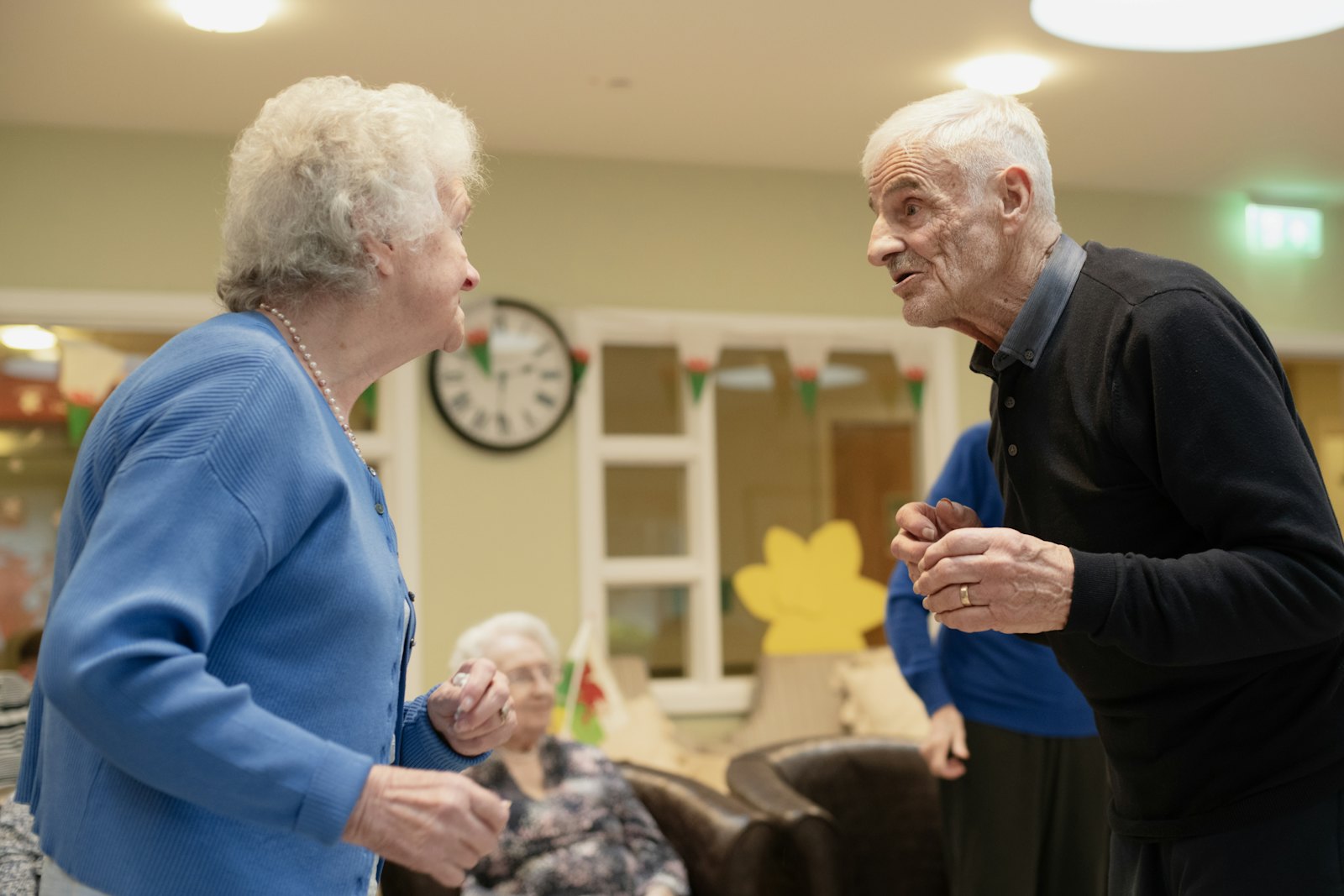
Two residents standing and talking in a memory care common room, with other residents seated behind them.
The common room is where most of what a memory care community manages actually happens: who is where, who is with whom, and who noticed a change in condition. It is also the record a plaintiff will reconstruct.

Failure mode 01

Four words move the claim to the sublimit.

When one resident injures another, the claim against the community is about assessment, placement, care planning and supervision. In substance it is professional liability, and plaintiff counsel pleads it that way.

But many assault and battery endorsements are not limited to intentional torts. They apply to any claim arising out of assault or battery, extend to acts or omissions in connection with preventing or suppressing such acts, and add that the sublimit applies regardless of whether the claim is pleaded as negligence. That last phrase is drafted specifically to defeat the argument that a negligence theory escapes the sublimit.

Solution

Negotiate the carve-back, or at least the number.

Ask first for a carve-back so that claims arising from the behavioral expression of a diagnosed condition are treated as professional liability at the full limit. That is the correct characterization of the exposure and it is a defensible request.

If a carve-back is unavailable, ask for a materially higher assault and battery sublimit with its own aggregate. Either way, read the trigger language rather than only the number, because two programs at the same sublimit can provide very different coverage.

Failure mode 02

The elopement claim is built from your own chart.

Elopement produces some of the most severe outcomes in this setting, and the narrative is unusually damaging because it typically involves a documented history: a resident assessed as an elopement risk, a care plan calling for specific interventions, and a record of whether those interventions were performed.

The coverage question is narrower than the risk question, and it is easy to miss. Elopement is not a named peril. Whether it is covered depends on whether the professional services definition reaches supervision and the provision of a safe environment, and on whether a wandering or premises security exclusion has been attached.

Solution

Widen the definition, then fix the record.

Confirm the professional services definition explicitly reaches assessment, care planning, supervision and the provision of a safe environment, and confirm no wandering or premises security exclusion has been added at any layer of the tower.

Then treat the operational side as the real answer: documented elopement risk assessment on admission and on change of condition, a secured egress system with a testing record, a drill record, and a written missing resident protocol with evidence it has been practiced. Those are what defense counsel uses and what underwriters price.

Failure mode 03

Memory care was added to the schedule, not to the program.

The common path into this problem is ordinary growth. An assisted living operator opens a memory care wing, or converts a floor, and the new unit is added to the schedule of locations at renewal. Premium adjusts. Nobody revisits the wording.

The result is a program built around assisted living exposures now answering for the two exposures that distinguish memory care, with an assault sublimit and a professional services definition that were never examined against either.

Solution

Treat a memory care addition as a re-underwriting event.

When memory care is added, re-read the assault and battery endorsement, the professional services definition, the abuse sublimit and the aggregate basis, and ask the market to quote the unit as what it is rather than as more of the same.

This is also the moment to get staffing ratios for the memory care unit specifically into the submission, since facility-wide ratios understate what the unit actually runs and understating it helps nobody at a claim.

Market access

Underwritten on your dementia care practice, not just your bed count.

Memory care is priced on controls more than on square footage. Behavioral assessment protocols, unit-level staffing ratios, de-escalation training records, secured egress testing and a practiced missing resident protocol are the documents that move both terms and price.

Placement runs through the specialty markets that write dementia care, matched to your states and your acuity. We do not underwrite the risk; we build the submission that shows what you actually do and take it to the markets that will price it properly.

Programs placed through the specialty markets that write senior care across Florida, California, Texas, Arizona, Georgia, and North Carolina.

Frequently asked

Memory care insurance questions

Is a resident on resident altercation covered?

It depends on how the assault and battery endorsement is drafted. Many are written to apply to any claim arising out of assault or battery regardless of how it is pleaded, which means a claim you would consider negligent assessment and supervision still sits at the sublimit. Read the pleading language, not just the sublimit number.

Is elopement a separate coverage?

No. Elopement is a professional liability claim about assessment, care planning, supervision and the provision of a safe environment, so coverage turns on whether the professional services definition is broad enough to include those things and on whether any wandering or premises security exclusion has been added.

What do underwriters want to see from a memory care operator?

A documented elopement risk assessment performed on admission and on change of condition, a functioning secured egress system with a testing record, a drill record, staffing ratios on the memory care unit specifically rather than facility-wide, and a written missing resident protocol with evidence it has been practiced. Those documents move both price and defensibility.

Can a program written for assisted living cover memory care?

Only if the two exposures memory care adds have been addressed. Elopement and resident on resident altercation are what distinguish a memory care program, and a policy written for assisted living with memory care later added to the schedule frequently addresses neither. That is the common and expensive mistake in this setting.

Authoritative references

Primary regulatory sources

Free coverage review

Send the declarations page and the assault and battery endorsement.

Those two documents answer most of what matters in a memory care program. A specialist reads them within one business day.